
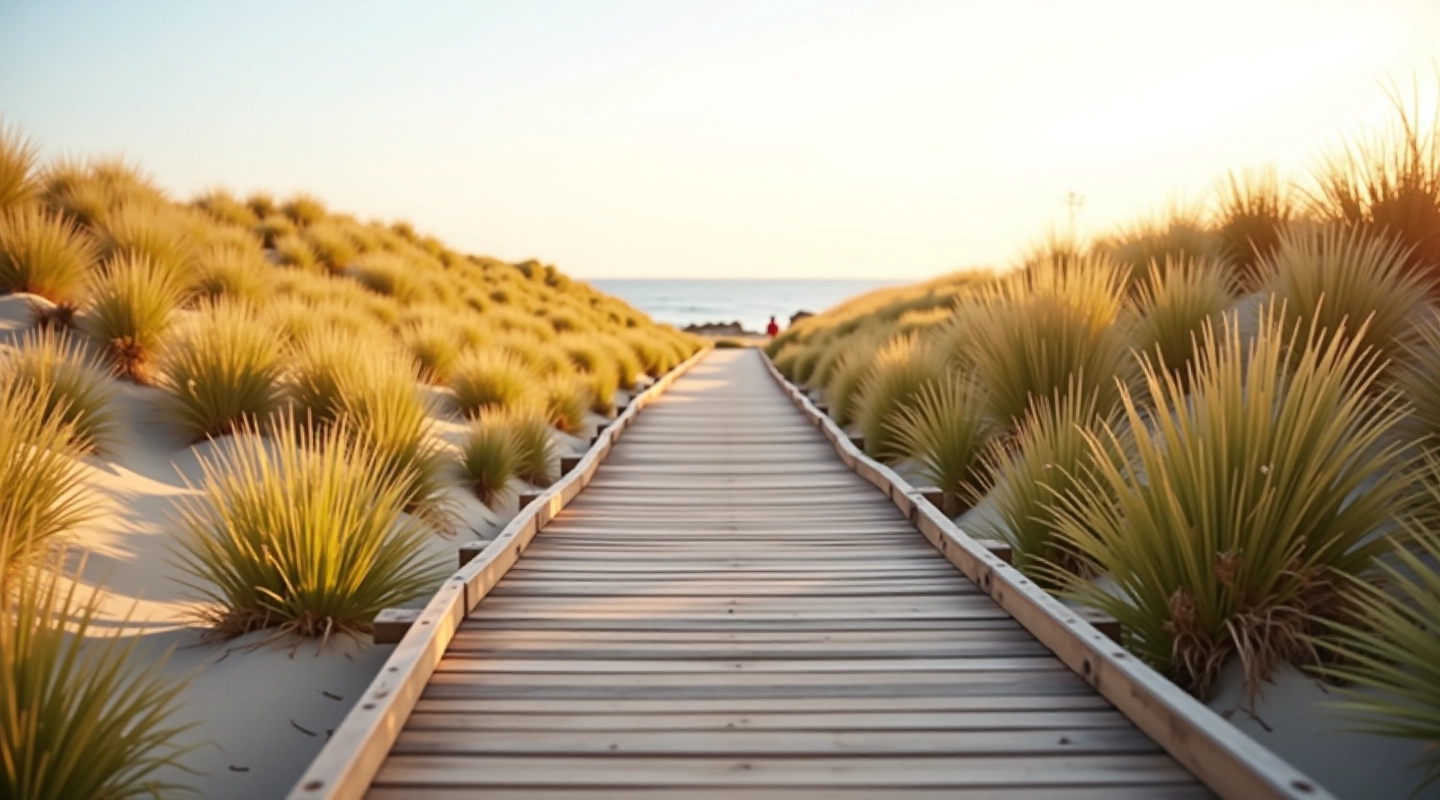
The Parnidis Dune Loop: Climbing the Highest Peak Slowly
A 3.5-kilometer circuit with one gradual climb to Lithuania's tallest dune. Rest points and interpretive signs along the way.
Discover the living ecosystem of the dunes. We've identified common plants, explained why they're here, and mapped out which birds you'll spot throughout the year.
The dunes aren't empty sand. They're alive with specialized plants and animals that've adapted to one of Europe's harshest environments. When you walk these trails, you're not just moving through scenery — you're walking through an ecosystem that's been fine-tuned over thousands of years.
What makes dune ecology interesting is how fragile and resilient it is at the same time. The plants here are tough, but they're also vulnerable to disturbance. The birds that nest here have incredible survival instincts. And the seasonal changes? They're dramatic. Summer brings nesting birds and vibrant wildflowers. Winter strips everything back to bare sand and wind.
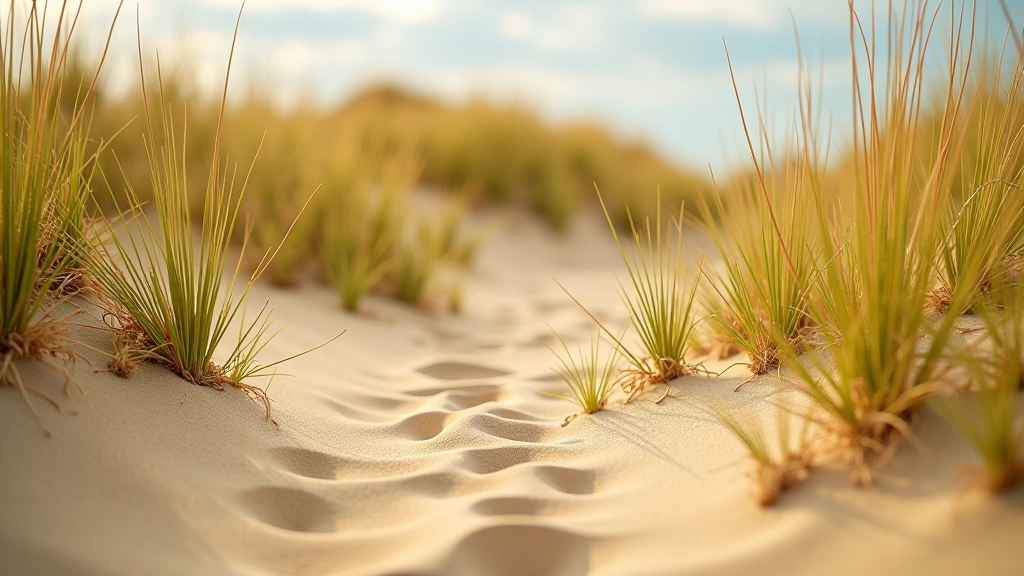
You'll notice marram grass first. It's everywhere — tall, tough, and unmistakable with its sharp blue-green color. It's not there by accident. Marram grass has root systems that can reach 10 meters deep, anchoring sand that would otherwise blow away. Walk the trails and you'll see it in different stages: fresh green shoots near the path, golden mature grass on the ridge, and dead brown stalks where wind's been particularly harsh.
Early summer brings wildflowers — sand lily, dune spurge, and sea rocket flower between the grasses. They're subtle, not showy. But if you're watching, you'll see them. By August they're mostly gone, replaced by seed heads.
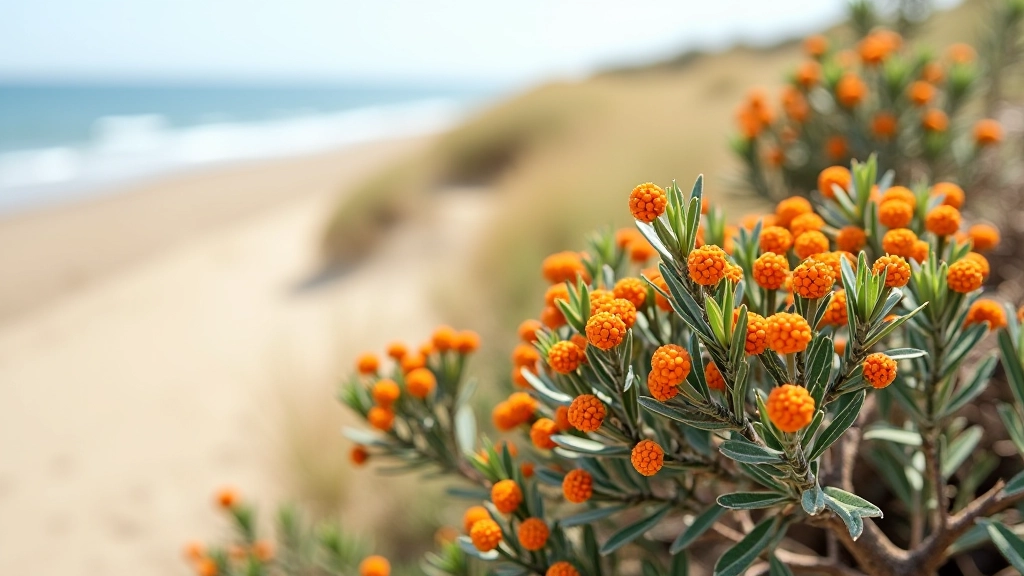
Sea buckthorn is the orange-berried shrub you can't miss in late summer. Local birds depend on those berries. Look closely and you'll see the leaves are silvery underneath — an adaptation that reduces water loss in the salty, windy environment.
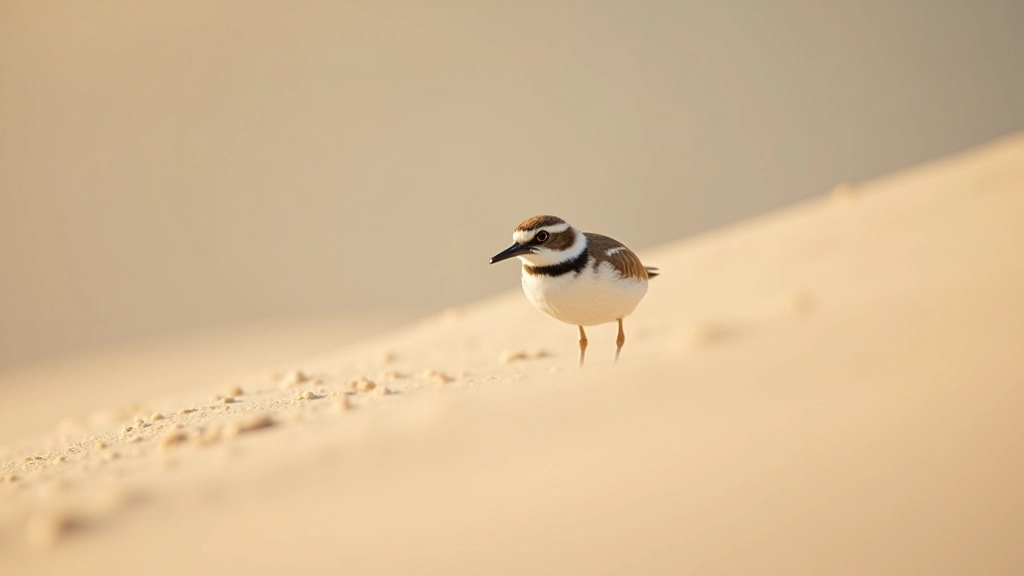
Spring brings nesting birds. Ringed plovers arrive in April — small, fast-moving birds with distinctive dark bands on their heads. They nest right on the sand, so stay on marked paths during May and June. You won't see elaborate nests. The eggs are just camouflaged in shallow depressions. It's why the trails exist — to protect breeding areas while still allowing people to experience the dunes.
Summer (June-August) is peak bird activity. Skylarks are everywhere — you'll hear them before you see them, their song practically constant. Look for terns diving into the water just offshore. In late summer, migrating warblers pass through. By September, most nesting birds are gone, replaced by species heading south for winter.
Winter brings seabirds — cormorants, grebes, and sea ducks. The dunes themselves are quieter, but the water's more active. Great cormorants are particularly common from November through March.
New growth everywhere. Grasses green up quickly. Plovers and terns return. Temperature swings are dramatic — 5°C mornings to 15°C afternoons aren't unusual. Winds can be strong.
Peak wildflower bloom in early June. Temperatures 18-22°C comfortable for walking. Nesting birds everywhere — keep noise down. Sea calm and often warm enough for swimming at adjacent beaches.
Migration peaks mid-September. Sea buckthorn berries ripen. Grasses turn golden and brown. Temperature 12-16°C. First strong storms arrive late September.
Most vegetation dormant. Grasses brown. Sea often gray and rough. Temperature 2-7°C. Fewer visitors mean quieter walks. Seabirds offshore are visible from elevated viewpoints.
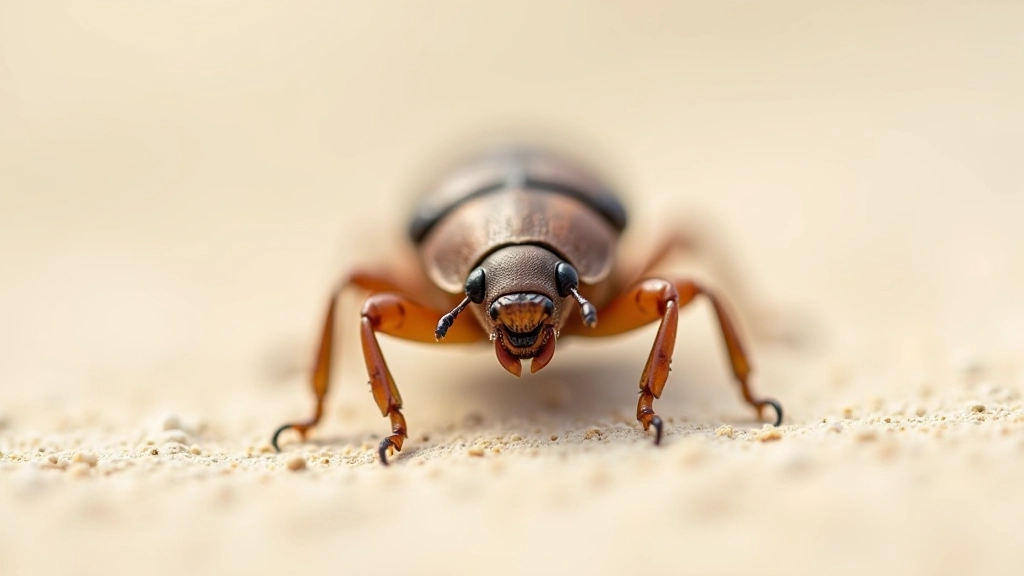
Beyond the obvious birds and plants, there's a whole ecosystem you'll walk right past unless you know what to look for. Sand wasps burrow in loose sand — you won't see them unless you're specifically looking at the ground. Ground beetles are surprisingly common. Lizards bask on warm sand in summer, though they're quick.
Insects are critical here. They pollinate the wildflowers. They feed the birds. Butterflies appear in mid-summer — mostly common species, but distinctive in the dune context. Ants have complex underground societies in the stabilized sand areas.
The disclaimer: Don't touch nesting areas, don't collect plants, and stick to marked paths. These aren't restrictions — they're how the dune ecosystem stays functional for everyone to experience.
Editorial Team
Written by the Dune Paths editorial team, focused on honest, practical guidance for accessible coastal walks.
A 3.5-kilometer circuit with one gradual climb to Lithuania's tallest dune. Rest points and interpretive signs along the way.
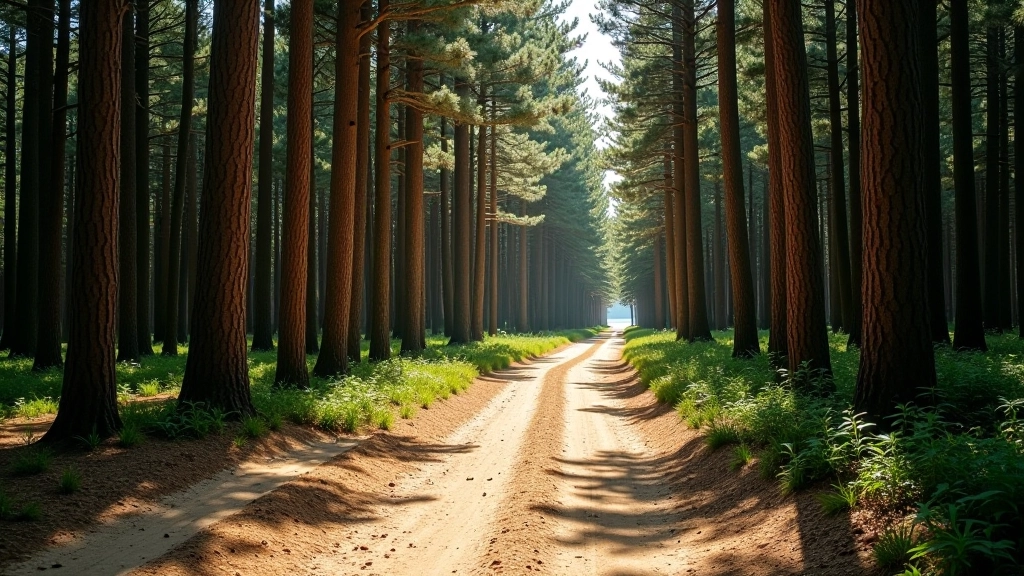
Three connected paths through dense pine forests where temperatures stay 5-7 degrees cooler than open dunes.
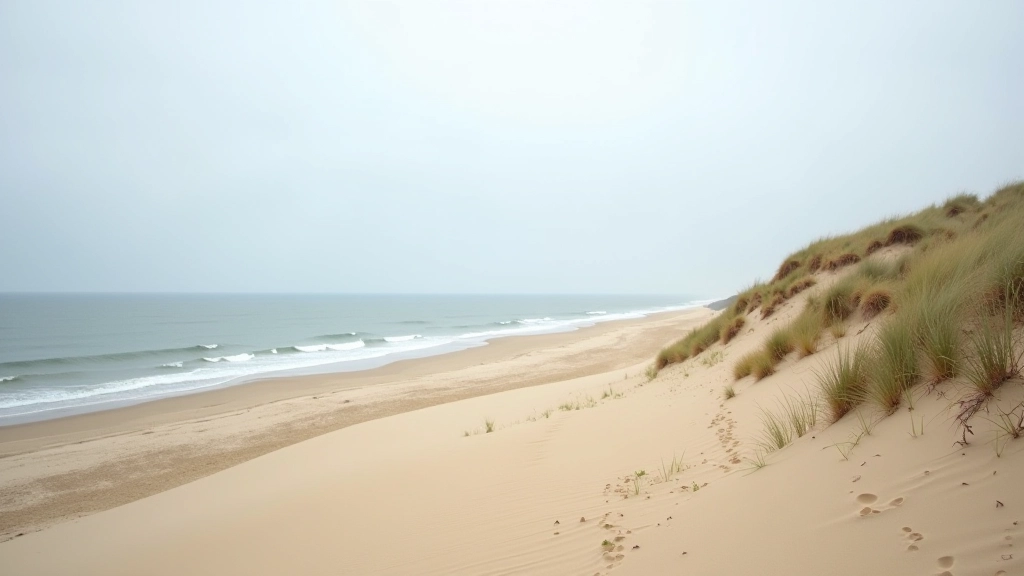
A flat 2-kilometer route along the dune crest with unobstructed Baltic views. Watch for migrating seabirds in spring.