
Seaside Crest Path: Where Dunes Meet the Sea
A flat 2-kilometer route along the dune crest with unobstructed Baltic views. Watch for migrating birds in spring. Mostly open—bring sunscreen and a hat.
Why This Path Stands Out
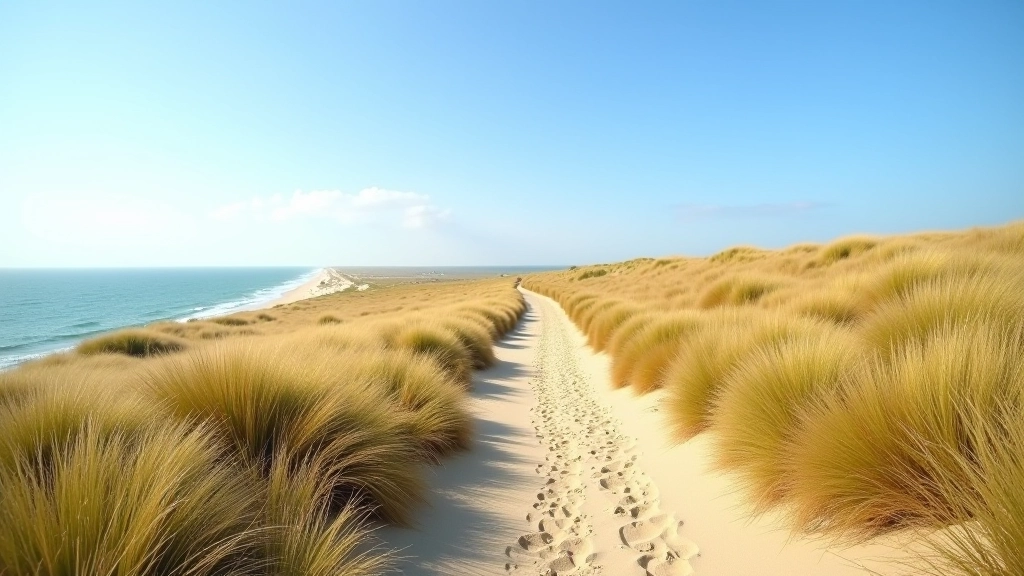
This isn't your typical dune walk. The Seaside Crest Path offers something special—you're literally walking along the ridge where sand meets sky. The views extend for kilometers across the Baltic, and the path itself stays mercifully flat the entire way. That's rare around here.
Most people don't realize how exposed you'll be on this route. There's minimal shelter, which means the wind can be strong on breezy days. But that's also what makes it so clear. You'll see farther than you expect, especially on those crisp mornings when the air is sharp and the light hits the water just right.
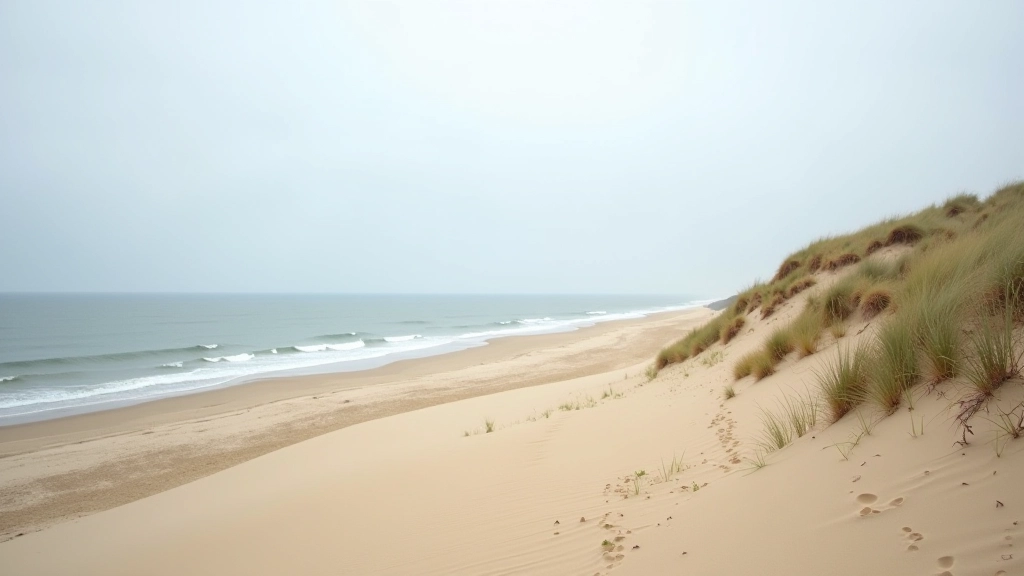
What the Route Actually Looks Like
The path starts from the main parking area near Nida. You'll walk uphill for about 100 meters—it's the only elevation gain you'll encounter, and it's gentle enough that most people don't think twice about it. Then you're on top of the crest itself.
The surface is packed sand mixed with small stones. It's stable underfoot, which means you don't need hiking boots—good trainers work fine. The path is clearly marked with white posts every 200 meters or so, which is helpful when the fog rolls in from the sea. And it does roll in. Suddenly you're walking through clouds with nothing visible but 10 meters ahead.
Key Route Stats
- Distance: 2 kilometers one way (4 km round trip)
- Elevation gain: Minimal (100m at the start only)
- Surface: Packed sand and small stones
- Time needed: 45 minutes to 1 hour each direction
- Best time: April through October
What You'll Actually Experience
Bird Watching Opportunities
Spring and autumn bring migration seasons. You'll spot curlews, oystercatchers, and if you're lucky, white-tailed eagles. They're not always close, but they're there. Bring binoculars if you care about identifying species. Even without them, watching birds work the shoreline is meditative.
Wind and Weather Exposure
You're walking on an exposed ridge with nothing blocking the wind. On calm days, it's perfect. On blustery days, it can be genuinely challenging. The wind pushes harder than you'd expect. Bring a windproof layer even in summer. Temperature can feel 5-10 degrees colder than at sea level.
Practical Things to Know Before You Go
Sun protection is essential. There's virtually no shade on this route—it's all open sky and sand. The sand reflects UV light back at you, which means you'll get burned from above and below. SPF 50 minimum. Reapply every two hours if you're staying out longer.
Water is critical. You'll need at least 1.5 liters for a round trip, more if it's warm. There's a small shop at the starting point, but nothing once you're on the path. Dehydration happens faster than you think when you're walking in wind and bright sun.
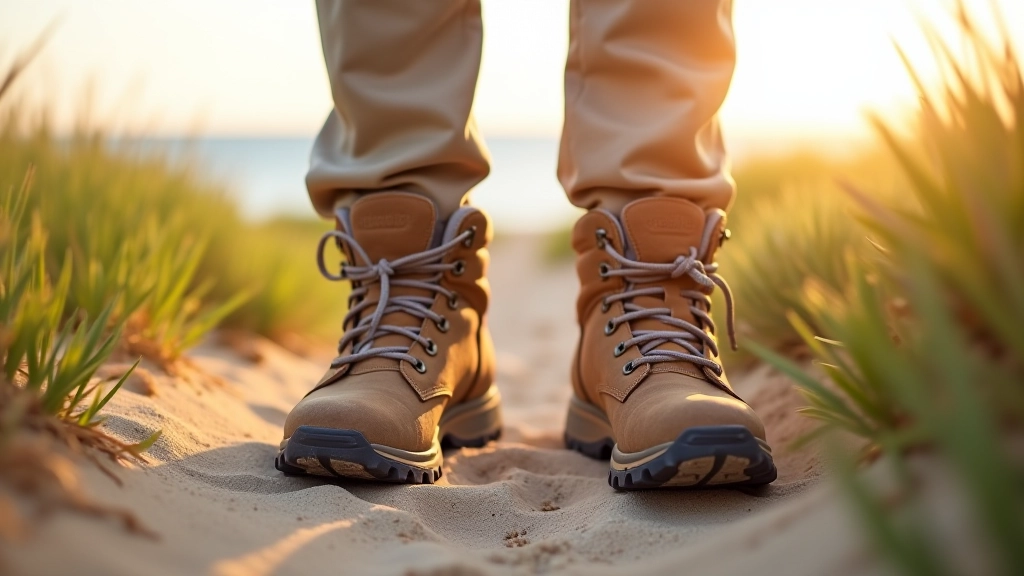
Footwear matters less than you'd think, but good grip helps. The sand gets compacted and can be slippery when wet. Hiking boots aren't necessary—trainers with decent traction work well. Avoid flip-flops and beach shoes. Your ankles will appreciate proper support.
Tips That Actually Make a Difference
Start Early in the Day
Morning light is better for photography and the wind is usually calmer. You'll also avoid the afternoon heat and get back with plenty of daylight remaining. 8 AM is ideal.
Bring More Water Than You Think
The combination of sun, wind, and open exposure dehydrates you faster. You'll drink more than on shaded forest paths. Bring 2 liters if you're going the full 4 kilometers.
Wear Sunscreen on Your Ears and Scalp
People forget these spots because they're so focused on their face and arms. Your ears and the part in your hair get intense sun exposure. They'll hurt for days if you skip this step.
Check Wind Conditions Before You Go
Strong winds (over 25 km/h) make this path genuinely difficult, especially for older walkers. It's not impossible, but it's tiring. Light winds make the same route enjoyable and easy.
Bring a Hat That Won't Blow Away
Baseball caps work, but a hat with a strap is better. You'll spend time adjusting a loose hat instead of enjoying the views. A wide-brimmed hat gives better sun protection anyway.
Don't Skip the Turnaround Point
The path ends at a marked point after 2 kilometers. Respect that boundary. It exists because the dunes are protected beyond that point. You've seen the best part anyway.

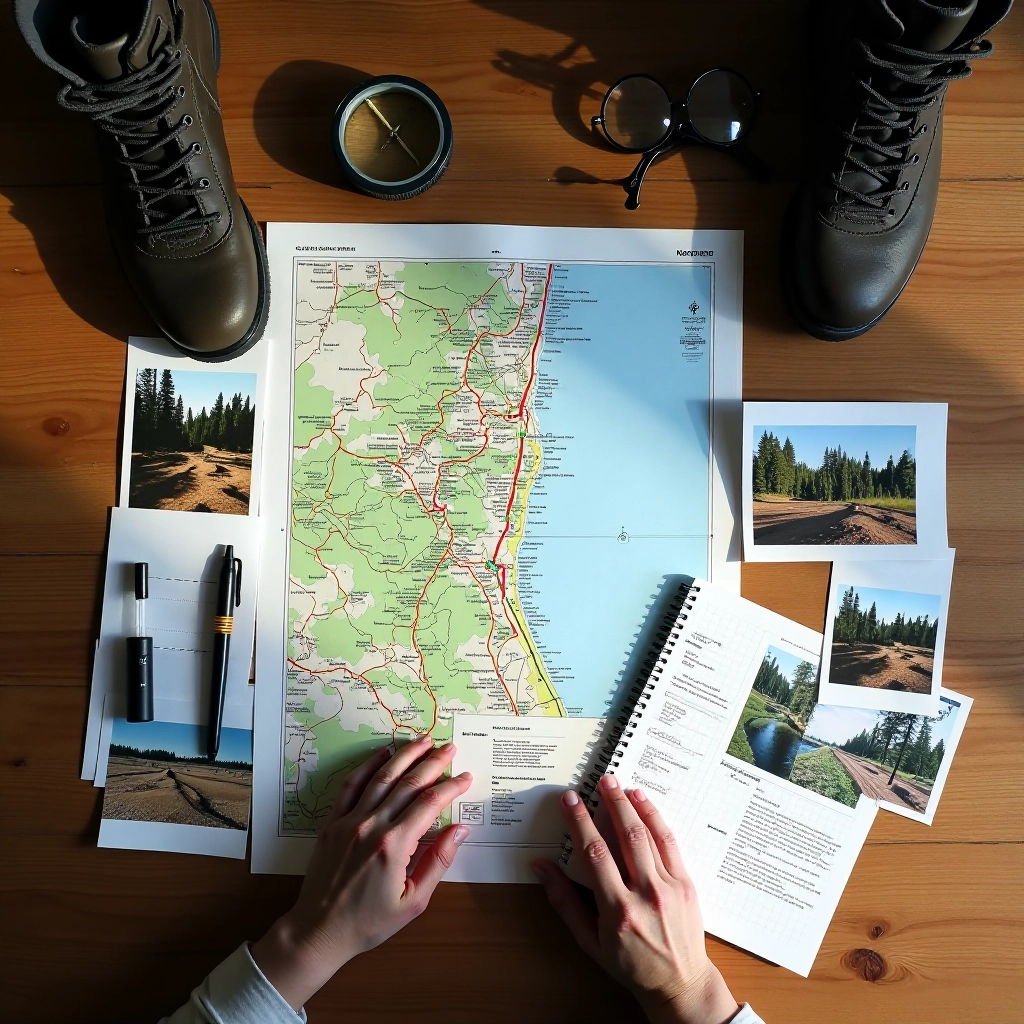
Dune Paths Editorial Team
Editorial Team
Written by the Dune Paths editorial team, focused on honest, practical guidance for accessible coastal walks.
Important Information
This guide is provided for informational purposes about the Seaside Crest Path and general walking in coastal dune areas. Conditions change seasonally and weather varies daily. Always check current weather forecasts and local conditions before heading out. Bring proper sun protection, water, and appropriate footwear. If you have health concerns or mobility limitations, consult with a healthcare provider before undertaking this walk. The Curonian Spit is a protected area—stay on marked paths and respect all local regulations.
Why People Keep Coming Back
It's not the most dramatic walk in the region. You won't summit anything or discover hidden waterfalls. What you get instead is something quieter—the feeling of standing on a ridge between two worlds, with nothing but sand, sky, and sea for as far as you can see.
The walk is short enough that most people finish in under two hours. That means you can do it without planning your entire day around it. Bring coffee in a thermos, walk in the morning light, and you'll understand why locals call this their favorite route. It's not about conquering something difficult. It's about standing in one of the few places where you can see the Baltic from the top of a dune and feel genuinely far away from everything else.
If you're planning to explore the area, don't skip this one just because it's flat and easy. Sometimes the simplest routes reveal the most interesting views.
Explore More Routes
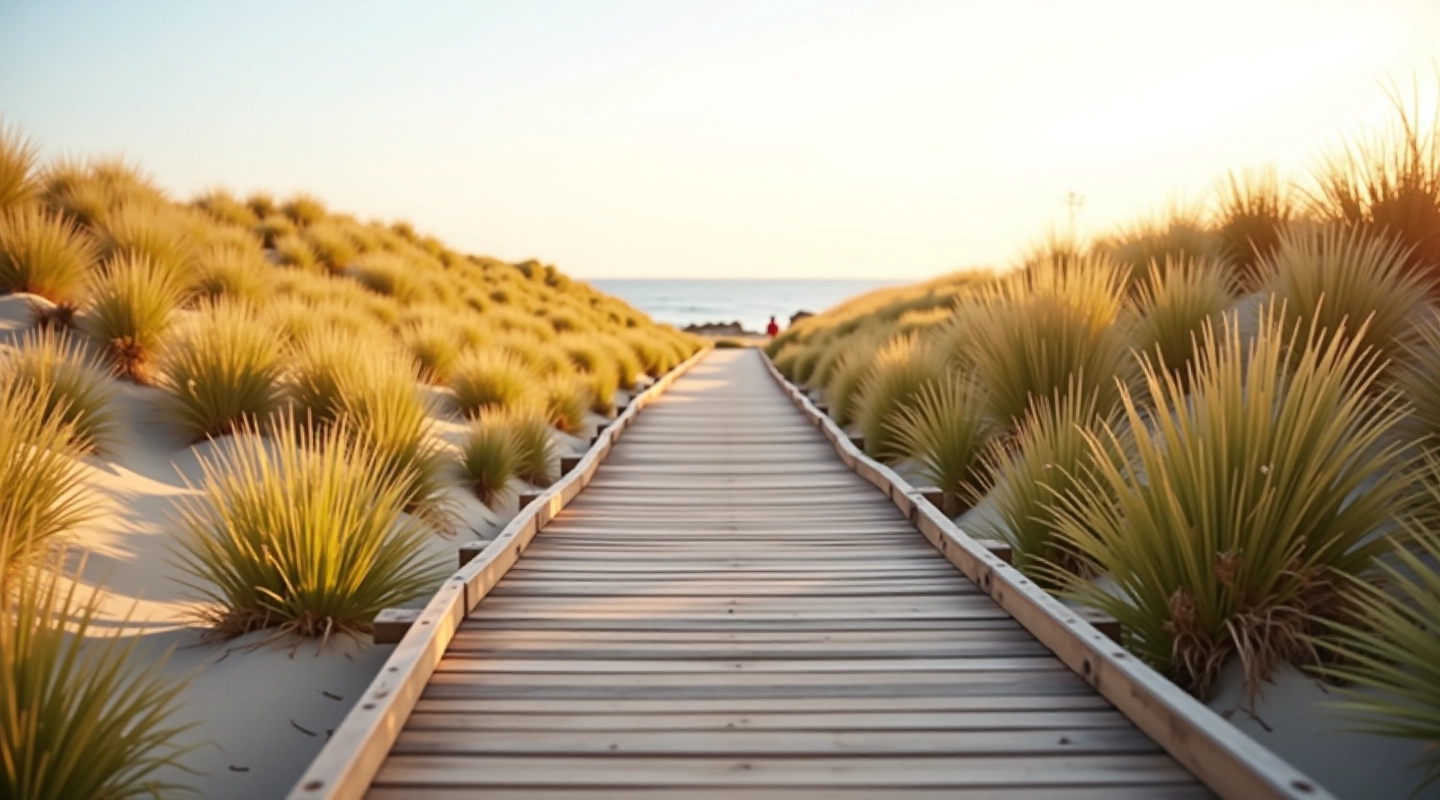
The Parnidis Dune Loop: Climbing the Highest Peak Slowly
A 3.5-kilometer circuit with one gradual climb to Lithuania's tallest dune. Rest points and viewpoints along the way. Peaceful mornings recommended.
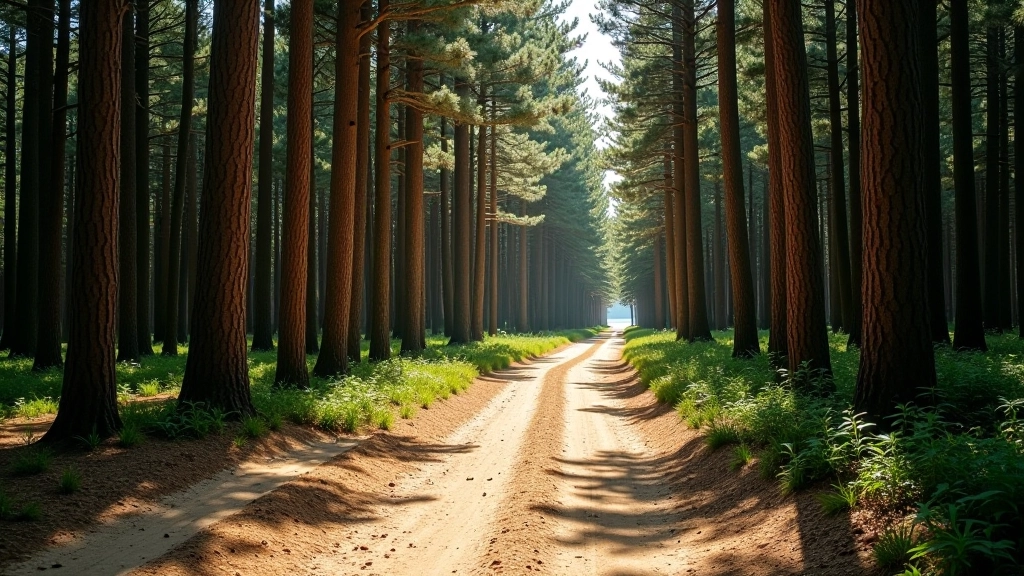
Pine Grove Shade Walk: Cool Routes for Hot Days
Three connected paths through dense pine forests where temperatures stay 5-7 degrees cooler. Perfect for summer walks when the open dunes are too hot.
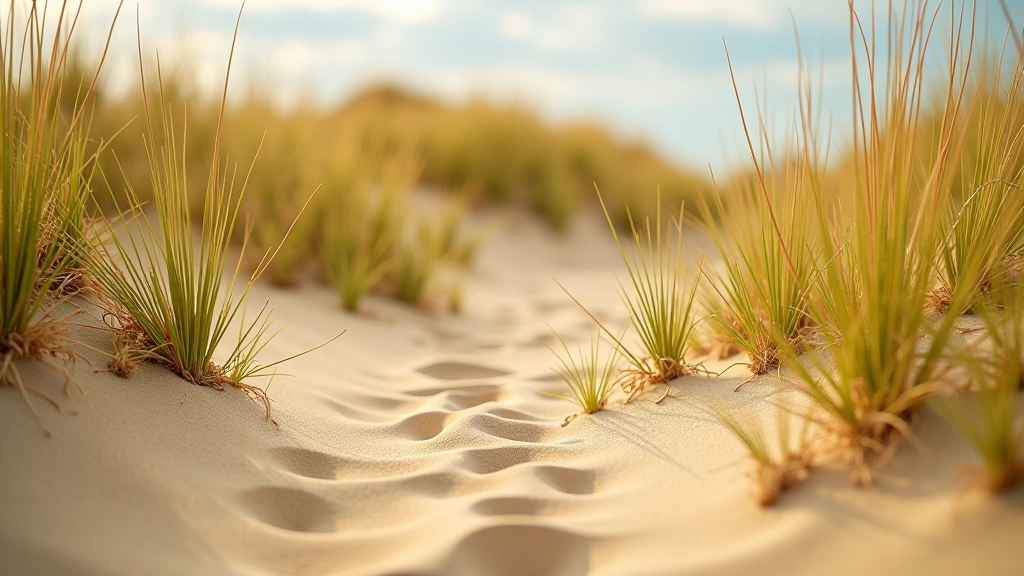
What You'll See: Plants, Wildlife, and Seasonal Changes
A visual guide to dune flora and fauna. Identifies common plants you'll encounter and animals to watch for during different seasons.